"To the kernel. To the source. To the reason it all works in the first place." – LinuxFest Northwest 2026
The Sequel Nobody Expected
There are conferences you attend and forget, and there are conferences that tattoo themselves onto your memory. LinuxFest Northwest 2026 was the second kind.
Three months earlier, I had spoken at FOSDEM in Brussels, dragging my family across continents with a month's worth of Frankenstein luggage. That experience was transformative, a culmination of decades of dreaming. This one? This one was supposed to be simpler: a 1.5 hour drive from Seattle to Bellingham, Washington. No transatlantic flights, no lost bear pillows, no layovers near the Arctic Circle. And yet, in its own quiet, Pacific Northwest way, LinuxFest hit differently.
My kid saw me present the same BadgeFed talk in Brussels, and somehow he was still excited about it. Granted 70% of the presentation was full on memes, but still that alone felt like a miracle. Seven-year-olds have the attention span of a caffeinated hummingbird, but when I told him we were going to another Linux thing, he was excited to travel almost up to Canada and see Native-American art.
Bellingham, or Why I Want to Move to the PNW
I had low expectations for Bellingham. I knew it would be beautiful, because everything in the Pacific Northwest is beautiful in that effortlessly annoying way. But the city blew me away in dimensions I hadn't anticipated.
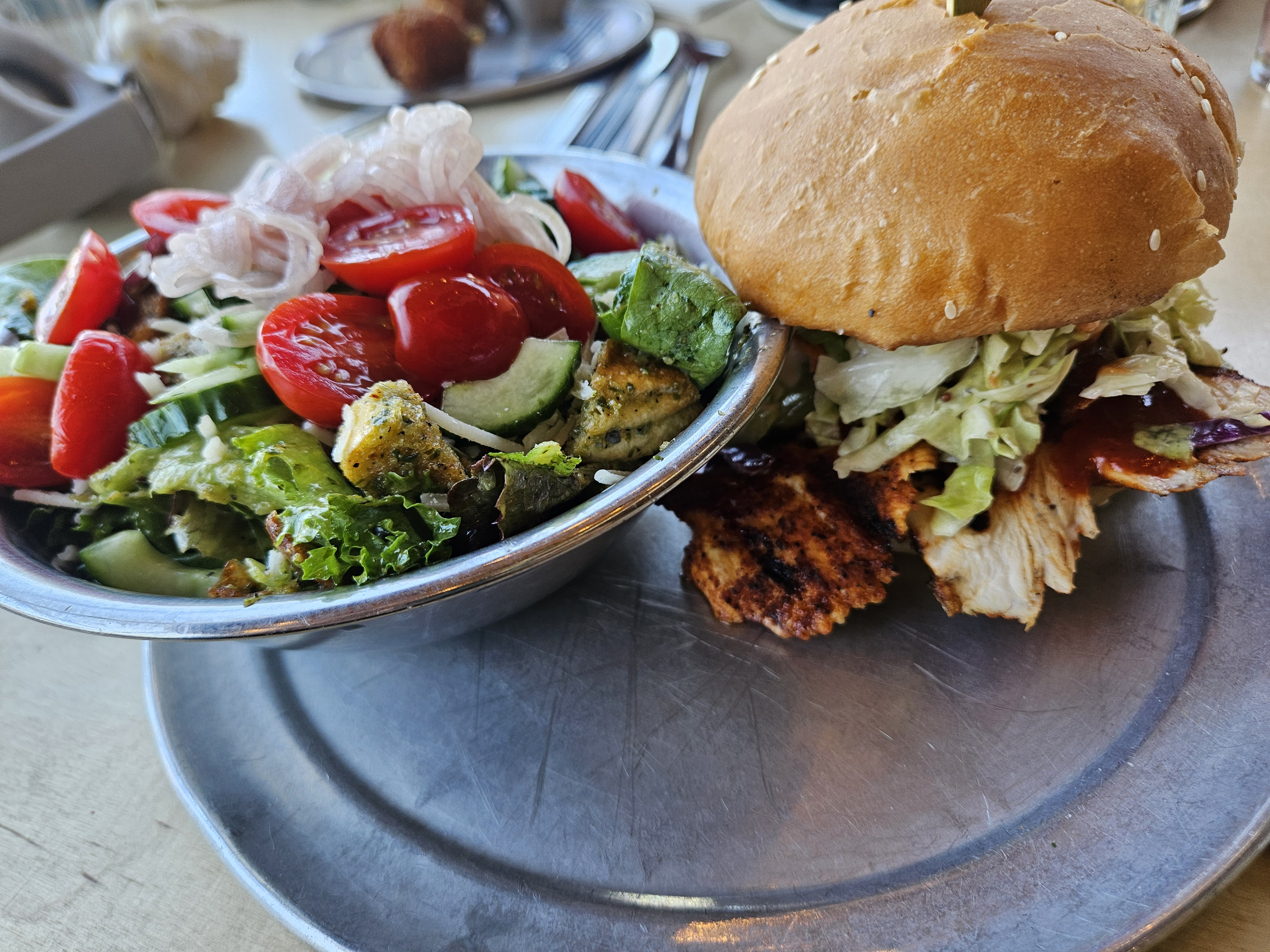
Bellingham sits on a bay about 90 miles north of Seattle and just 21 miles from the Canadian border, a college town anchored by Western Washington University and home to roughly 95,000 people. The festival itself was held at Bellingham Technical College, nestled right into the heart of the city. It has the lowest average sunshine of any city in the US, and yet the people radiate warmth. The downtown is walkable, lined with independent bookshops and more breweries per block than I've seen outside of Belgium. At least fifteen craft breweries operate within city limits, and I can confirm that Aslan Brewing and Kulshan Brewing deserve their reputations. My one regret? Not making it to Cat Brewing Co. Next time.
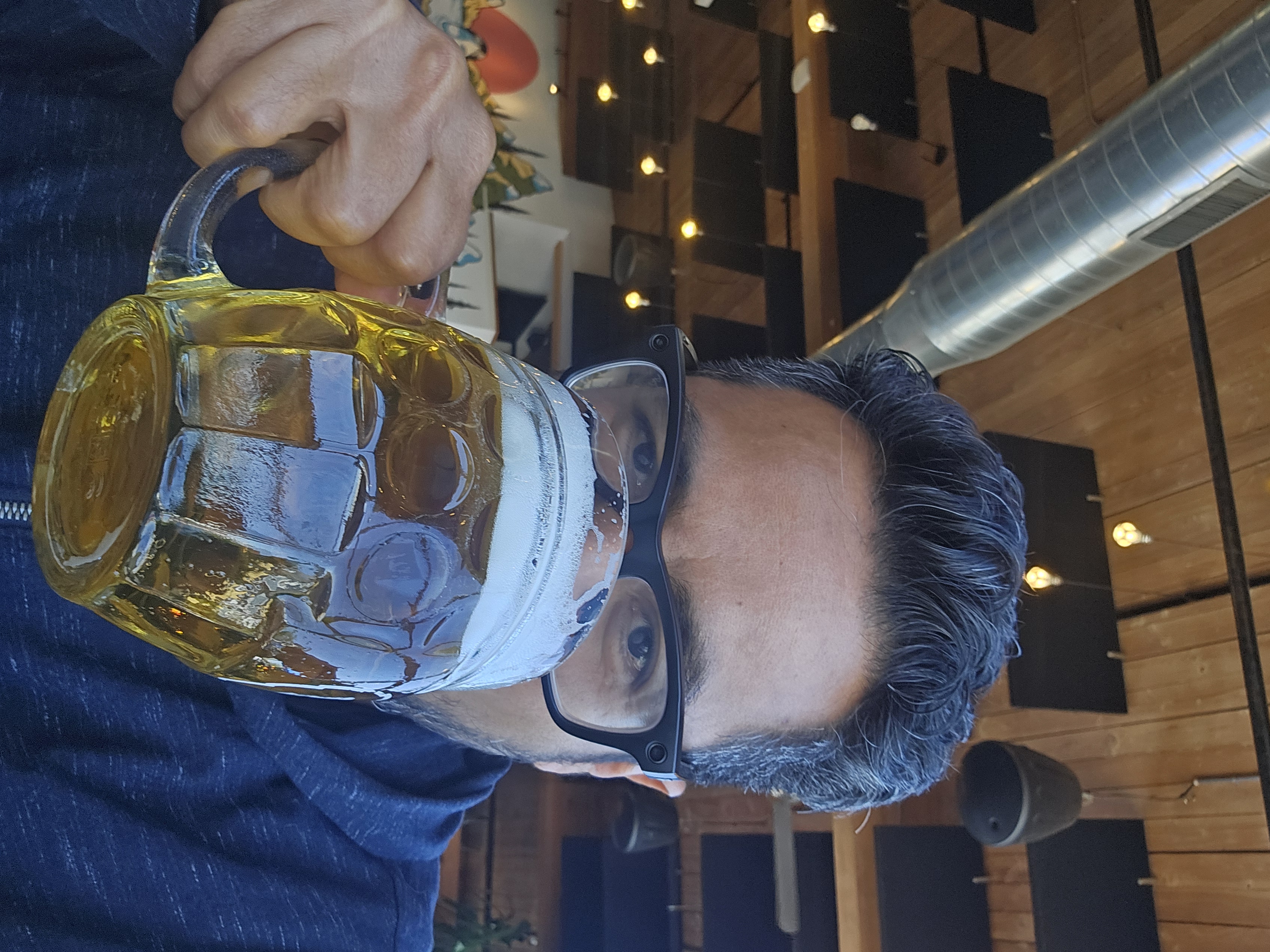
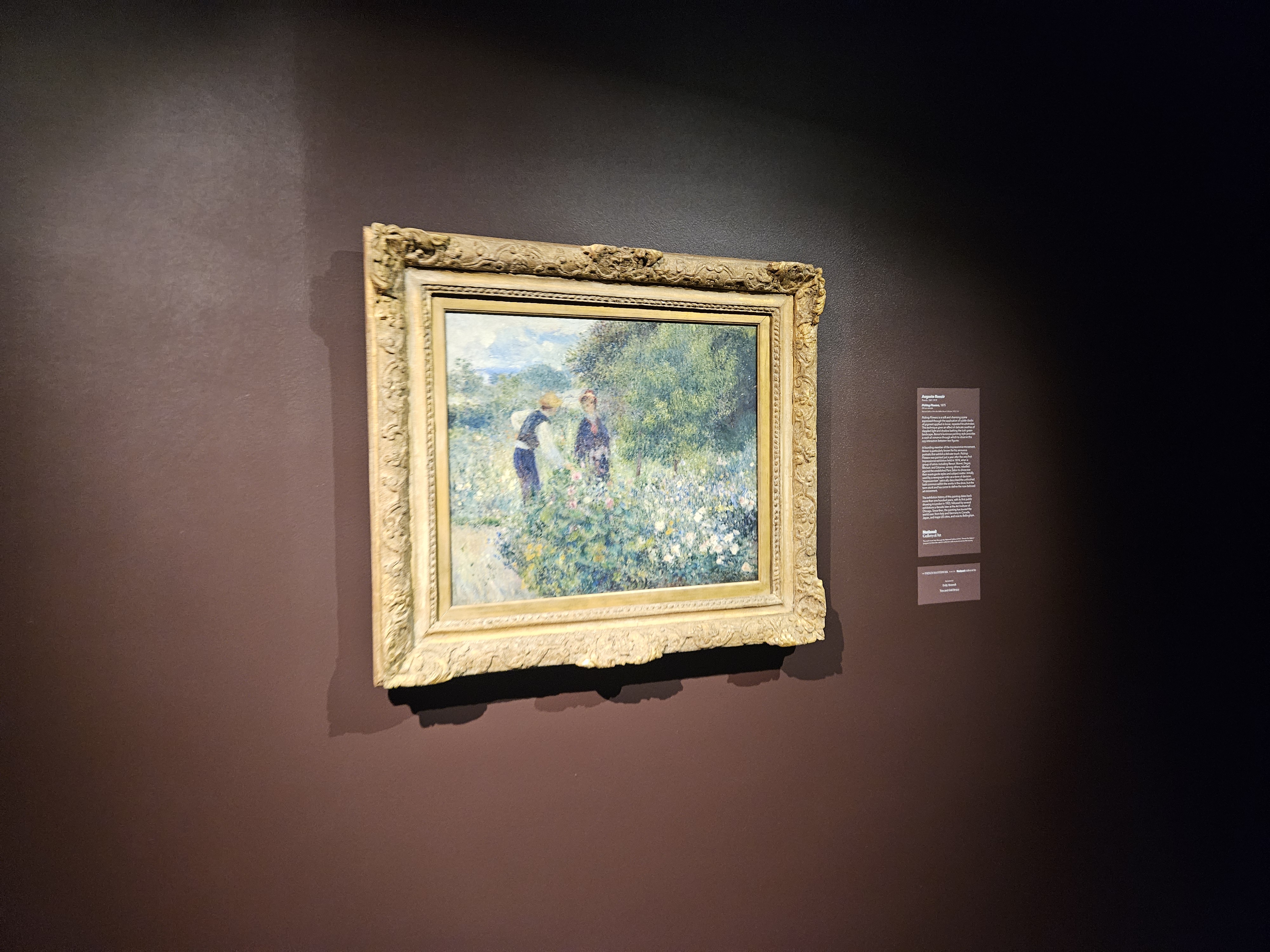
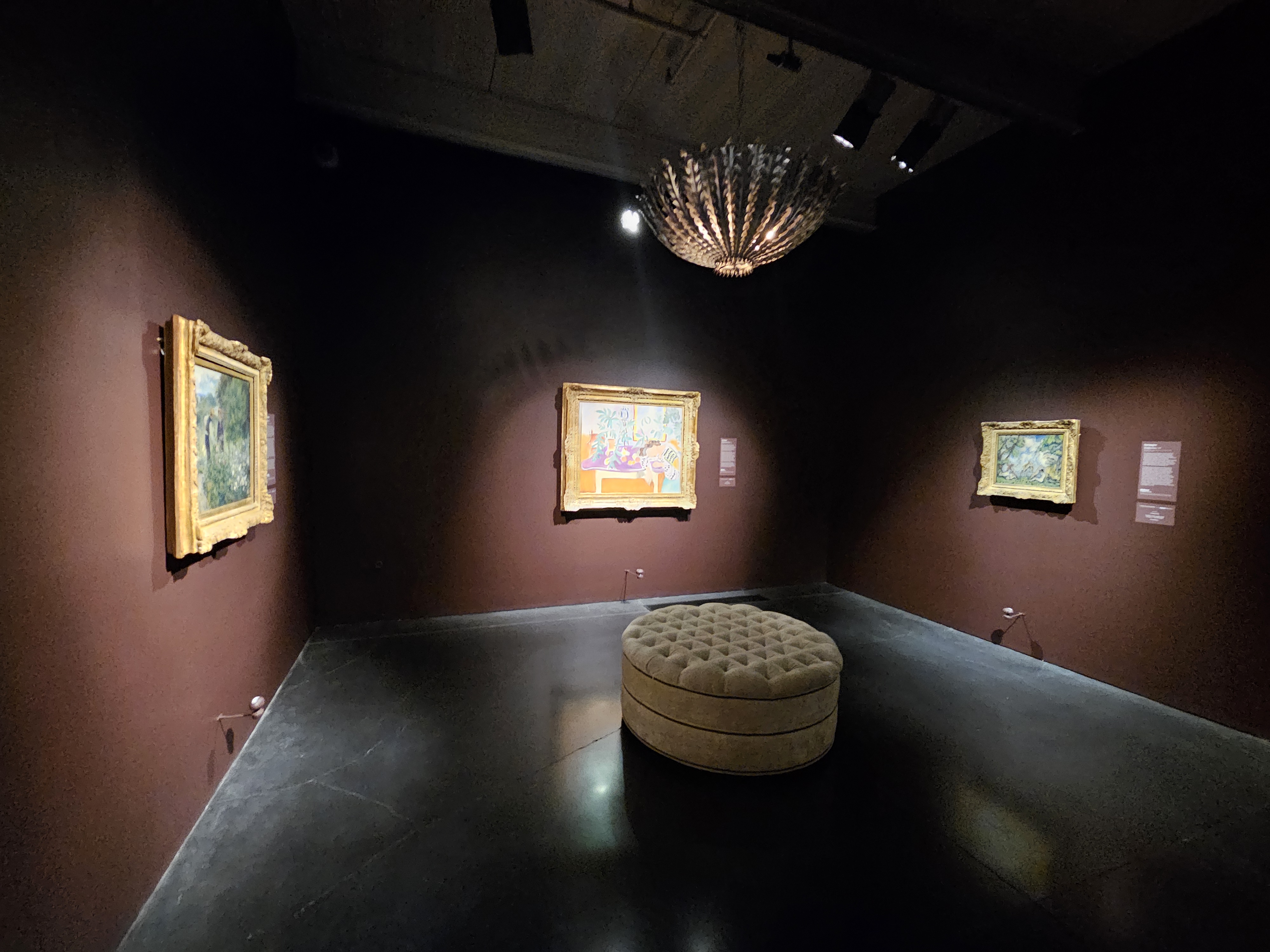
But beyond the beer, what struck me was the culture. Visible support for trans rights. Rainbow flags as common as coffee shops. An activist tradition that dates back decades. The Whatcom Museum of History and Art had a French art exhibition that genuinely moved me, and my kid spent an hour in their interactive art activities, completely absorbed.
 This is a city that hosts a Ski to Sea relay race from Mount Baker to the bay, that has Ryan Stiles' improv theater around the corner, that quietly produced Death Cab for Cutie. A place where you can feel the pulse of something real, something community-driven, something that doesn't need to prove itself to anyone. The festival itself leans into this by organizing Friday strolls around Bellingham, giving attendees a chance to explore the city before the talks begin.
I'm coming back. No question.
The Fest
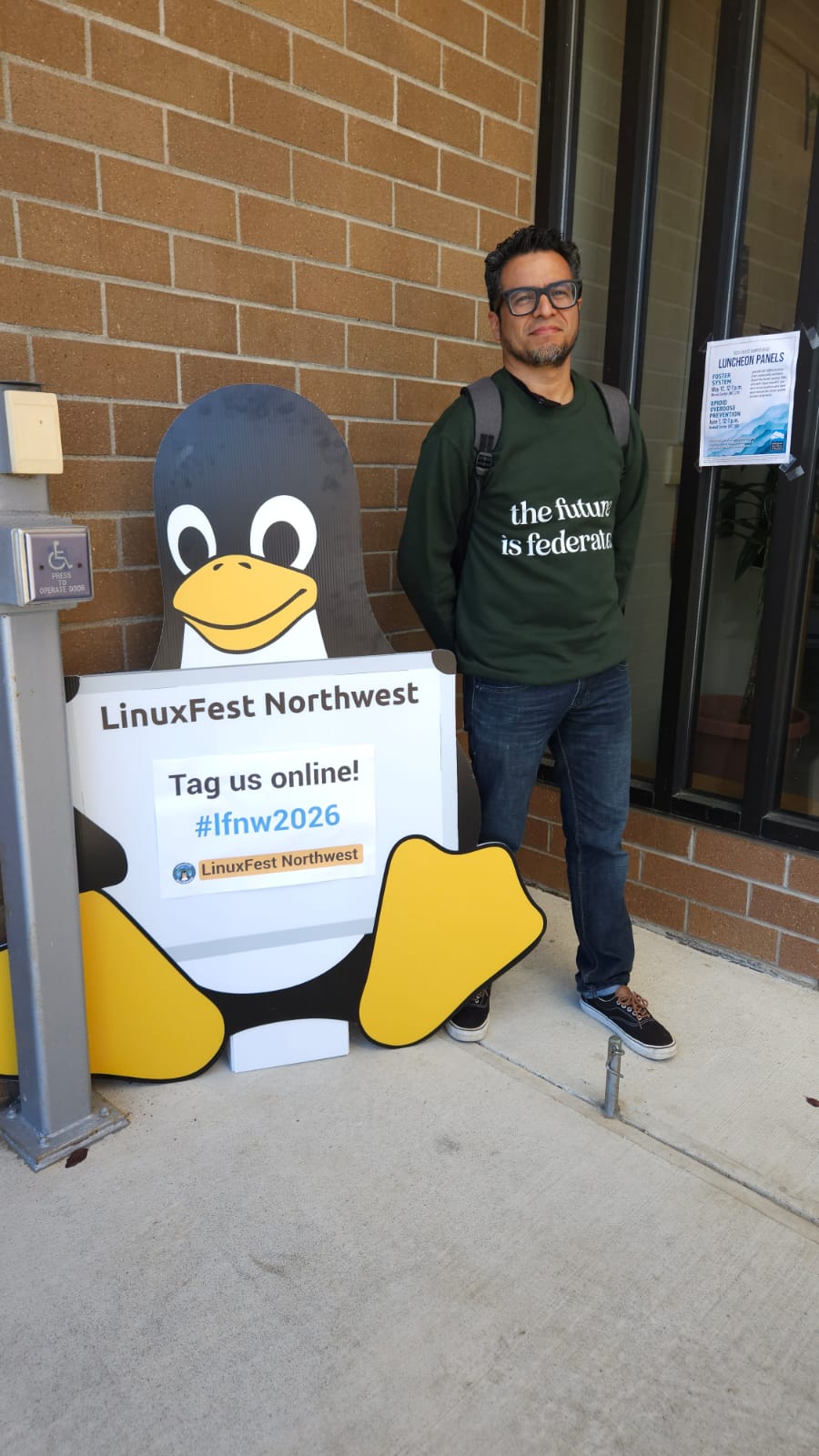
LinuxFest Northwest has been running since 2000, co-produced by the Bellingham Linux Users Group, Bellingham Technical College, Cascade STEAM, and Jupiter Broadcasting. It's a free, community-driven event held at the technical college campus, and it draws over a thousand open-source enthusiasts from across the Pacific Northwest and beyond.
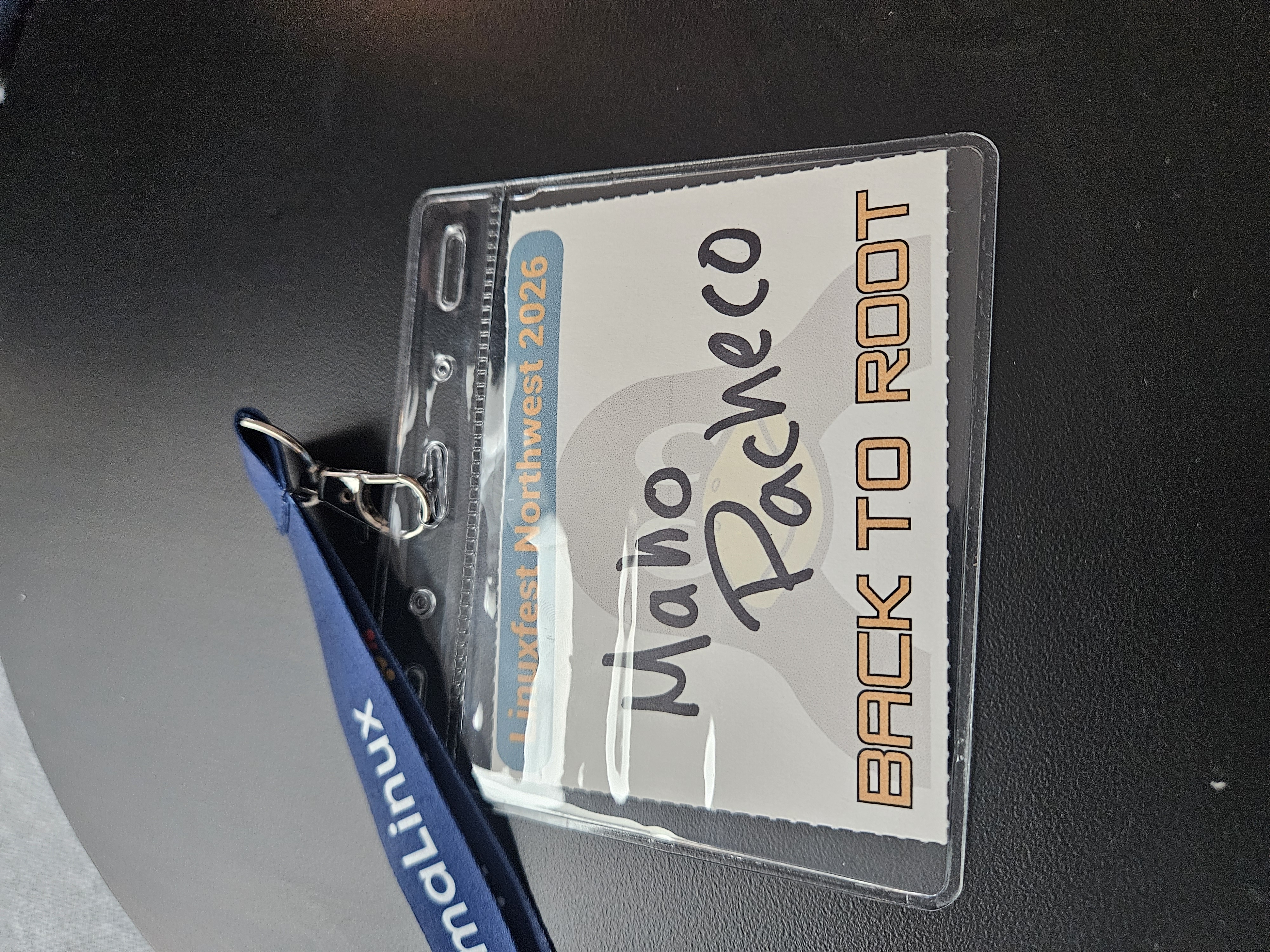
The moment I walked in, the goodies hit. Stickers, pins, T-shirts, pamphlets, more stickers. I collected more swag at LFNW than at most of others conference I've attended, including corporate-sponsored ones. The project booths were excellent: Fedora, Clonezilla, Alma Linux, and a few robotics corner that had my kid absolutely hypnotized.
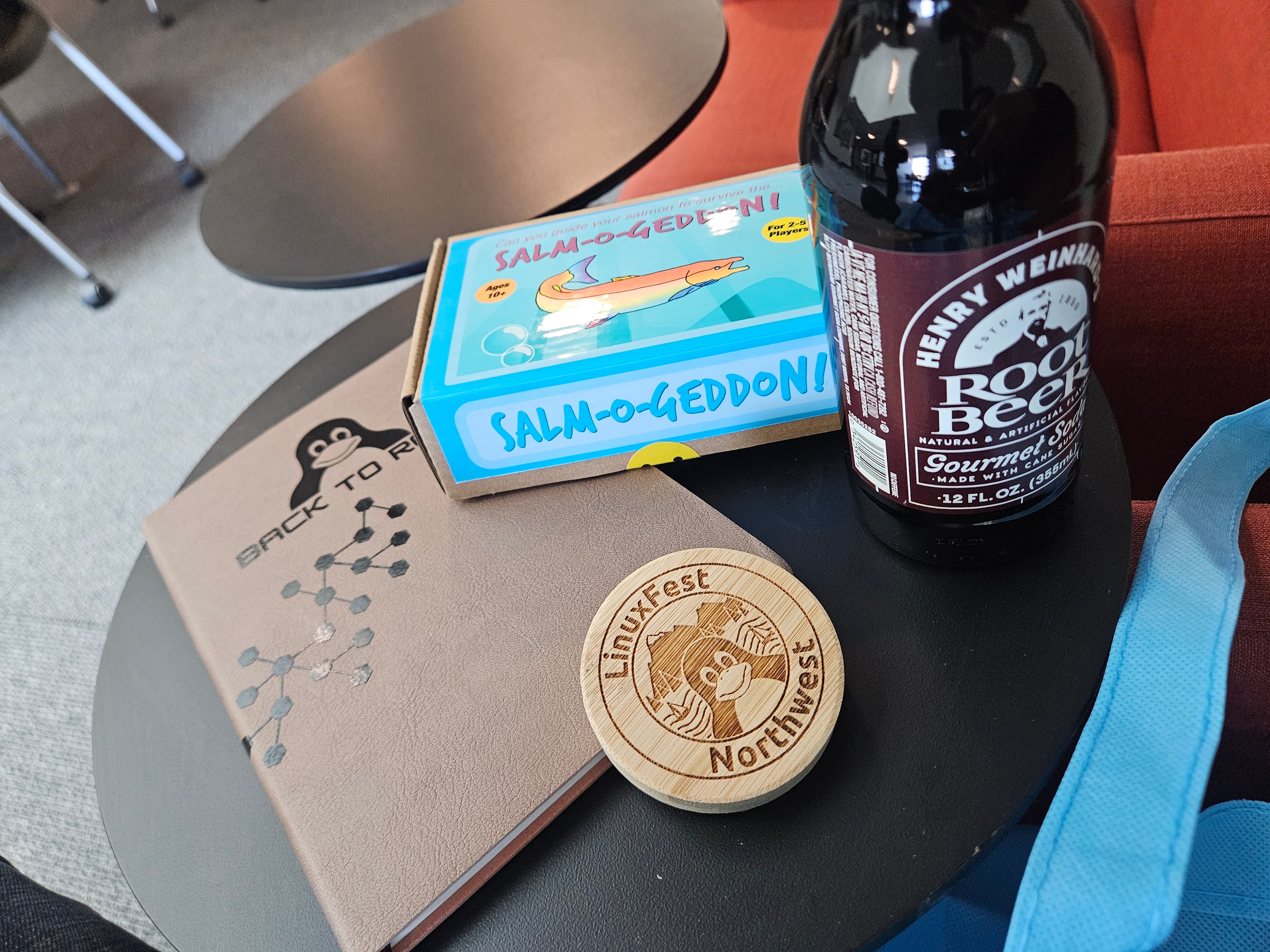
I met incredible people. Autumn Nash, whose podcast I enjoy. At the brewery, a random guy with an amazing Hawaiian Shirt reach out from the table at the side, and later we discovered it was Troy Dawson, a Senior Software Engineer at Red Hat who moonlights as a self-described "Hawaiian Shirt Artisan" (more on that later) .
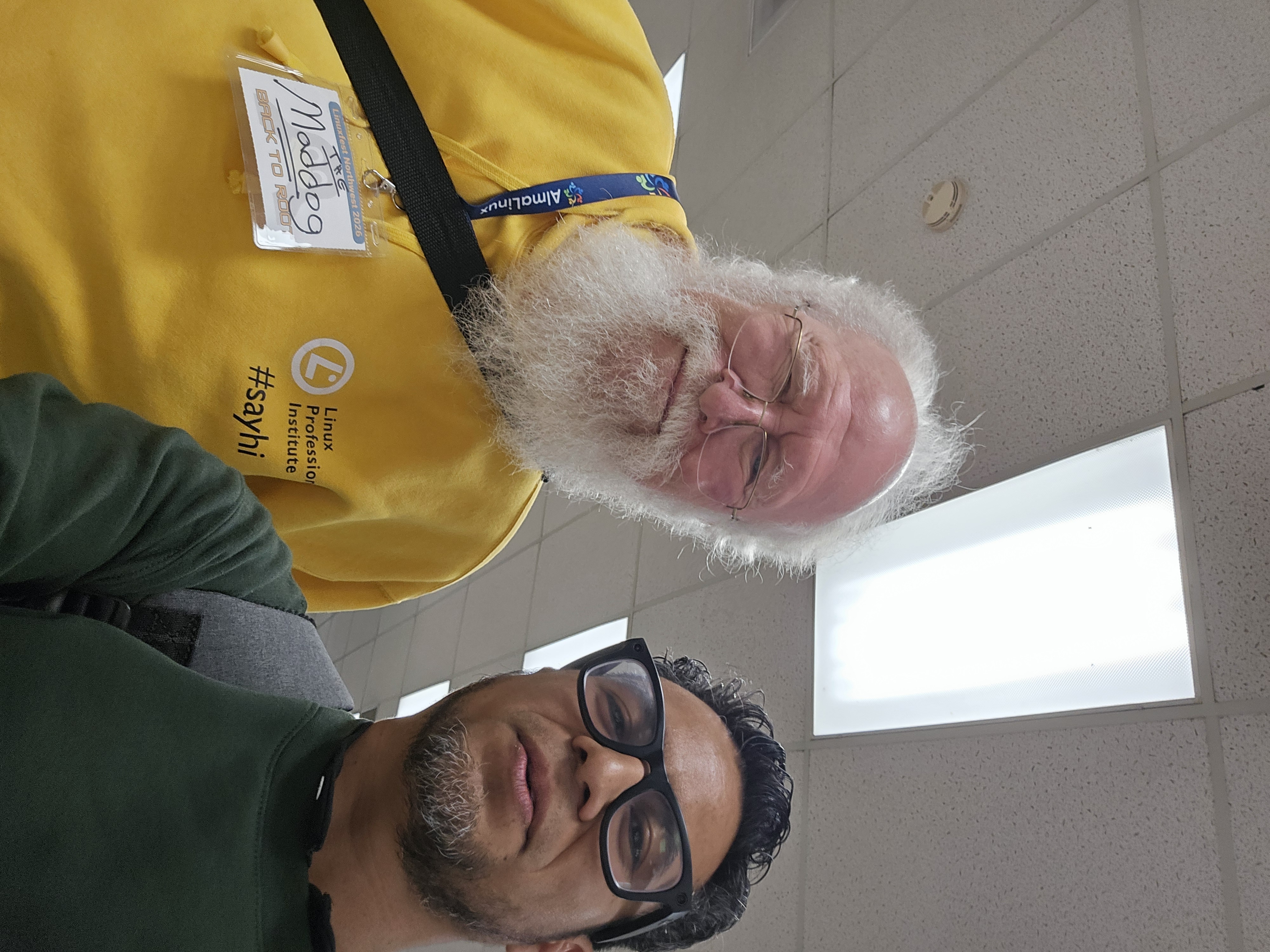
But the highlight, the absolute pinnacle, the reason I need an entire paragraph to contain my excitement: I met Jon "maddog" Hall.
Shooting My Shot with Maddog
Jon "maddog" Hall is a legend. Not in the casual, overused way that word gets thrown around, but in the sense that he has been instrumental in shaping the open-source movement since before most of us knew what a kernel was. He's the Board Chair Emeritus of the Linux Professional Institute. He helped Linus Torvalds obtain the equipment for the first Linux port to Digital's Alpha platform. He is Linus Torvalds' children's godfather. The nickname "maddog" came from his students at Hartford State Technical College, where he was department head of Computer Science, and it stuck because apparently he had "less control over his temper" back then. He has a vanity license plate in New Hampshire that reads UNIX.
This man has been advocating for free software and digital equity in Latin America through projects like Caninos Loucos and Project Cauã for decades. For a kid who grew up in a small Mexican town and found his way into open source through a dusty DSL connection, meeting maddog was like meeting a character from the origin story itself.
So I shot my shot. I walked up to him, introduced myself, and asked him one question: "What is one piece of advice you would give to your younger self?" I recorded his answer. You can watch it here. What he said was thoughtful, generous, and exactly what you'd expect from someone who's spent a lifetime opening doors for others.
At the end of the "interview" I asked something more chill: "Do you remember the Linux Festival at Puerto Vallarta?" He was visibly tired, the kind of tired that comes from decades of conferences and thousands of handshakes, but his eyes opened up. "Of course I do! I was telling someone that we should organize something there again." A beer on the beach, open-source talks with the Pacific Ocean as a backdrop, and the legendary drinks, getting progressively drunk talking between nerds, right before walking up to present your talk. My last Mexican LinuxFest was probably around 2008, and those were the best years for my open-source self: the hackerspace, the local LUG, the install fests that felt like revolutions. I would not have believed back then that one day I'd be speaking at the same conference as maddog. Not a keynote, sure, but sharing a schedule with him? The kid from Tepic with a paper notebook full of code would have lost his mind.
The Talk (Round Two)
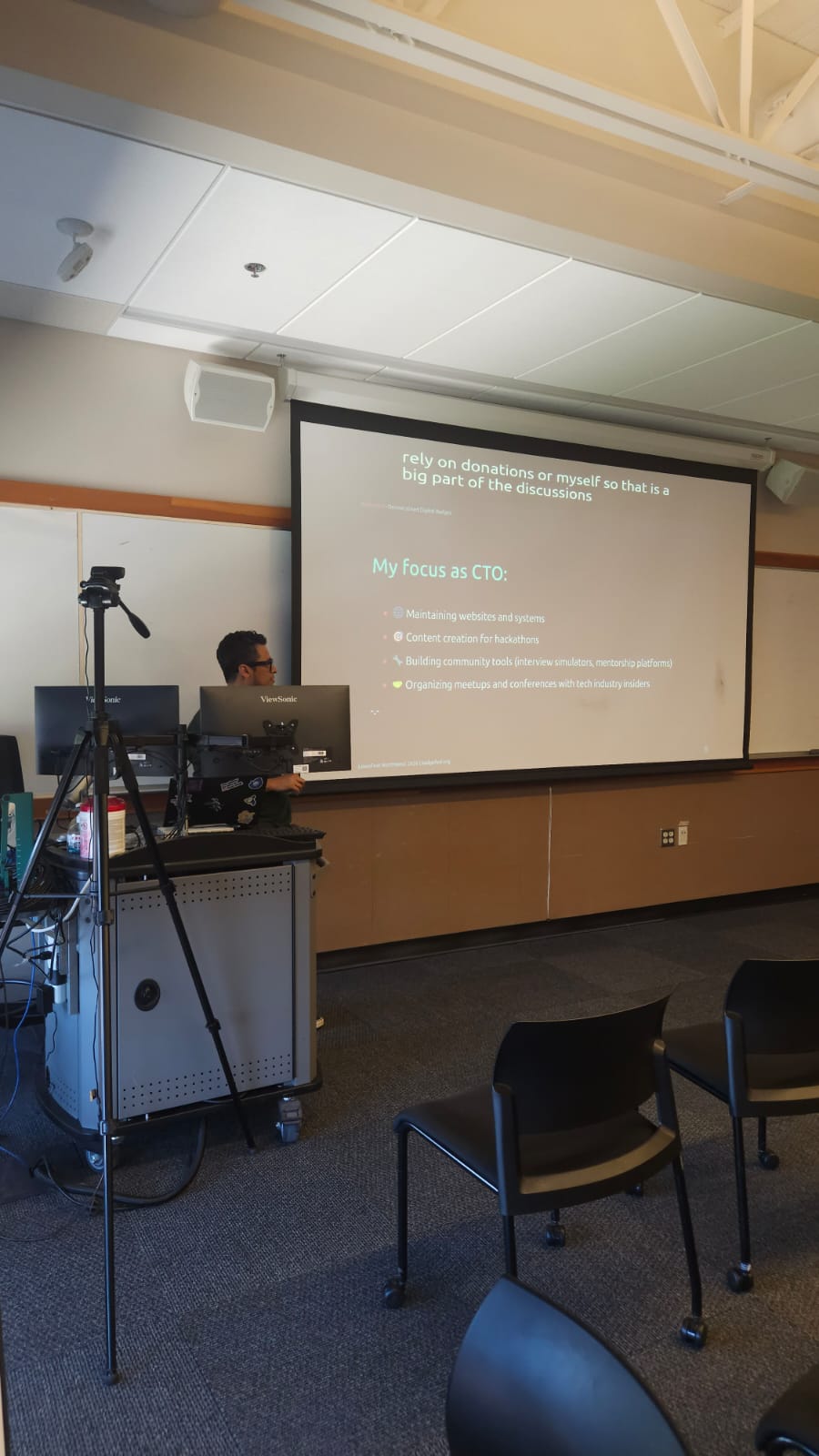
When my time came to present BadgeFed, I felt a different kind of energy compared to FOSDEM. In Brussels, I was nervous, riding the weight of an international audience on anew project. In Bellingham, I was relaxed. The room was smaller, the audience more intimate, but the engagement was stronger. People asked detailed questions. They challenged ideas. They leaned in.
I had added a few slides since FOSDEM, expanding the intro to cover what the fediverse and ActivityPub actually are, because unlike in Brussels not everyone in the room shared the same baseline. That adjustment paid off. The conversation after the talk lasted longer than what I was expecting.
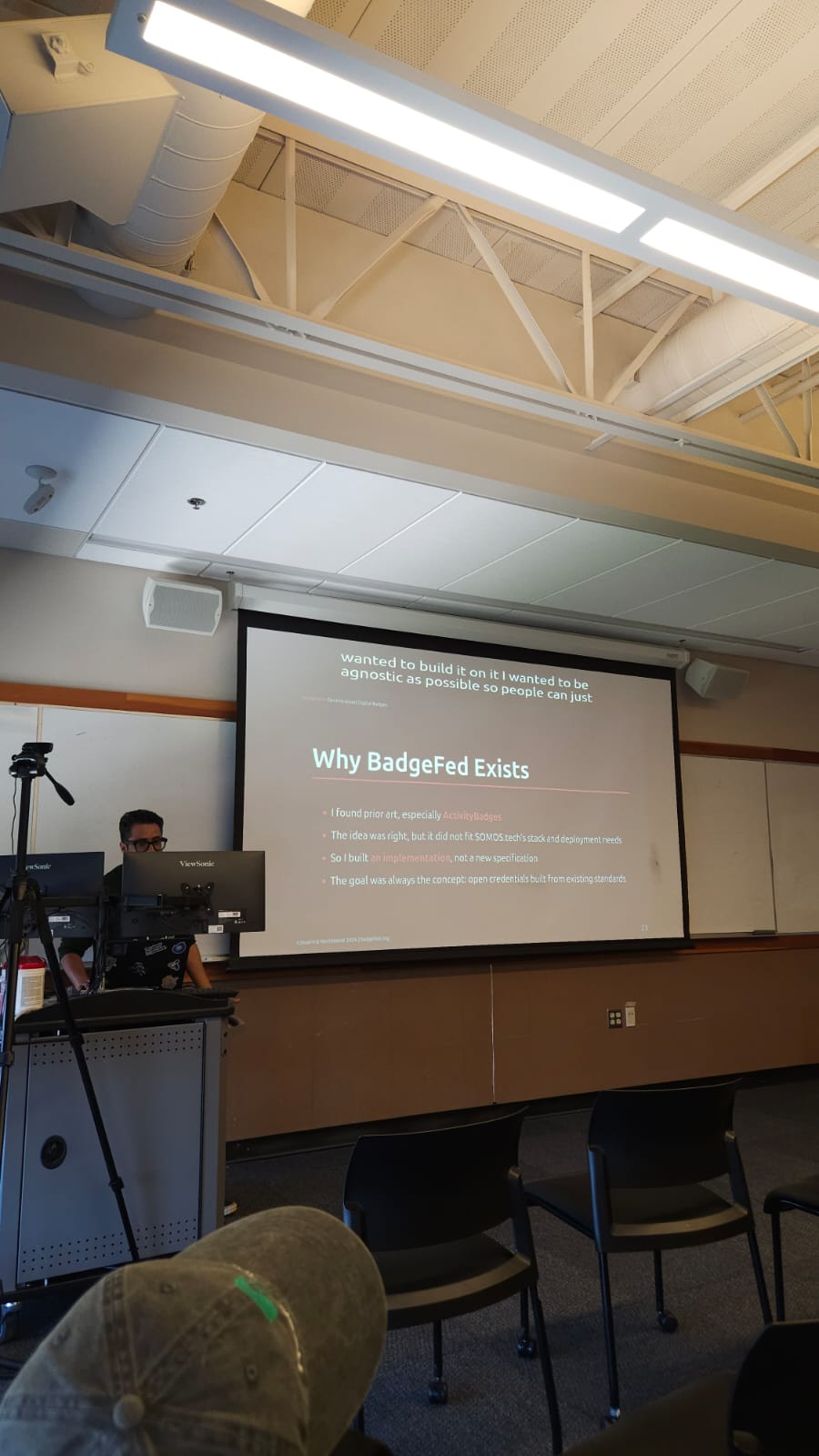
The audience at LFNW was different from FOSDEM in scale but not in quality. Where FOSDEM has thousands of people moving through halls like a developer flash mob, LFNW has hundreds who stay, linger, and genuinely want to connect. Both have their magic. I'm glad I experienced both within the same year.
The Kid (Round Two)
My son, now a veteran conference attendee, navigated LFNW like a tiny professional. On the way back, we stopped at the Whatcom Museum, where he spent more time with the art activities than I spent at any single talk. We strolled along the beach, found the acid ball (a sphere on the shore that has become a local landmark).
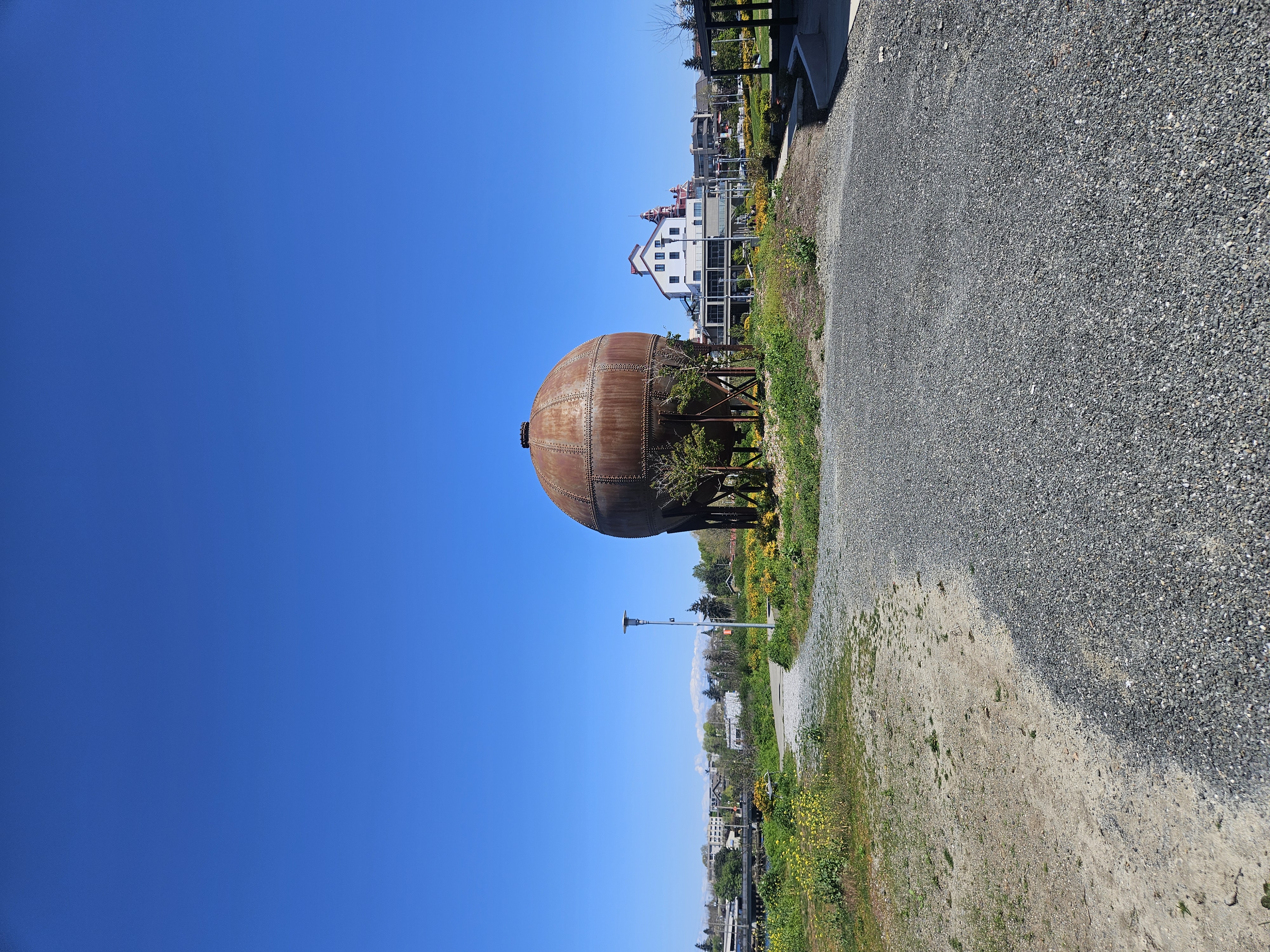
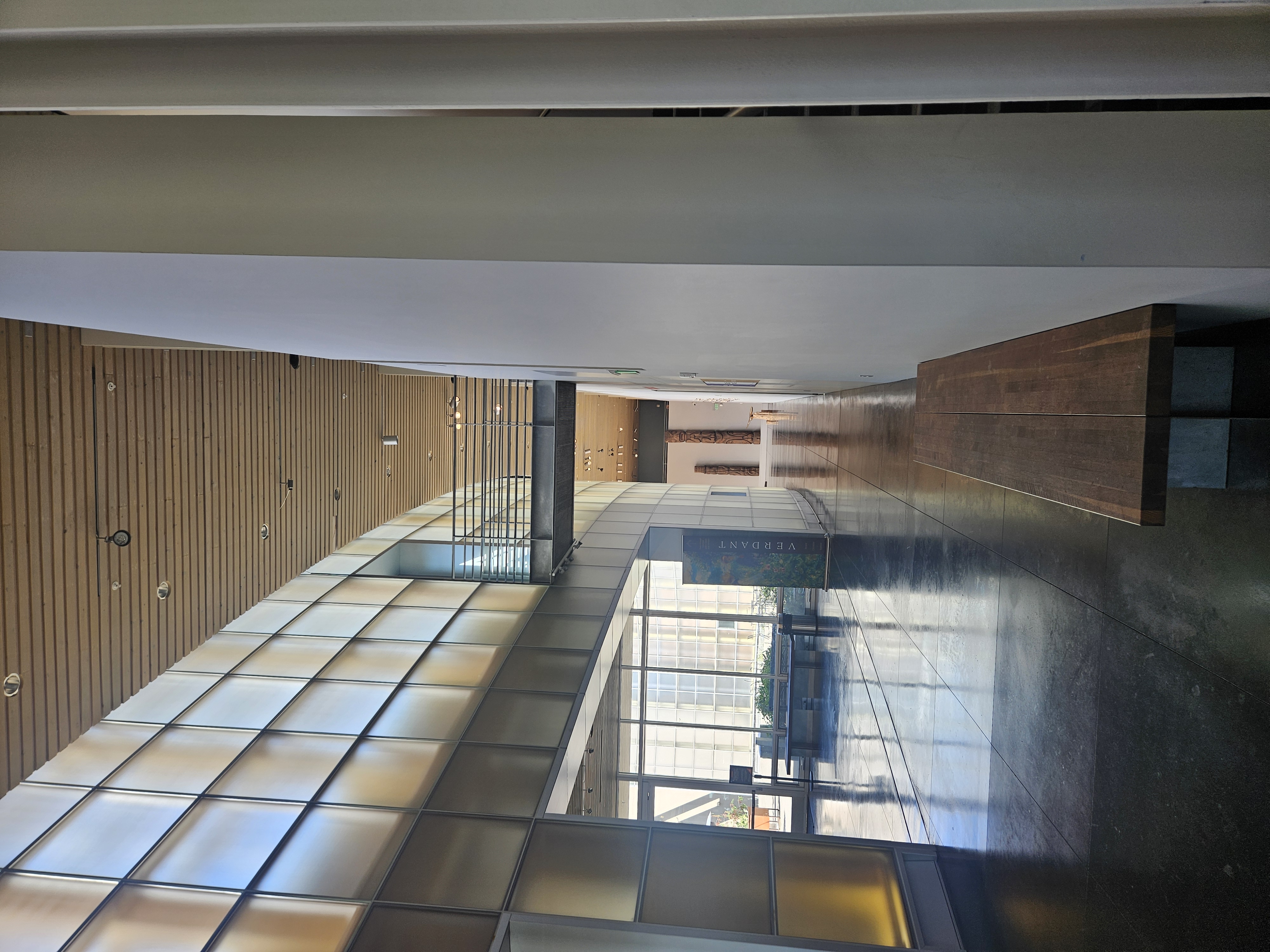
We visited the Marine Life Center, where my kid pressed his face against every tank like he was trying to merge with the sea creatures. Fair trade.
At one of the after-conference tables, someone mentioned an open-source conference happening in Seattle in November. I'm applying. I'm also planning to speak at a conference in Canada, possibly in August. The circuit grows.
The Spirit of LFNW
I want to mention something that lingers with me. On the LFNW website, there's a section dedicated to James Mason, known in the community as "bear454." James was a well-known fixture in the Pacific Northwest tech community, a longtime contributor through his work with SUSE and as an organizer and President of the Board for LinuxFest Northwest. He passed away after over four years of dealing with cancer and a rare clotting disorder, leaving behind his wife Alina and two children. The community is raising funds to support his family. That kind of care, that willingness to show up for each other beyond the code, is what makes open source more than a development methodology. It's a community in the truest sense.
Full Circle (Again)
Three months after standing on a stage in Brussels and fulfilling a twenty-year dream, I stood in a classroom at a technical college in Bellingham, Washington, and felt something different but equally powerful: belonging.
FOSDEM was the dream realized. LFNW was the dream normalized. The kid from Tepic who couldn't find a hacker in his hometown now has a conference circuit. He has a talk he iterates on. He has a seven-year-old who wants his own slot on the schedule. The impossible became possible, and then it became routine, and that might be the most extraordinary part of all.
Bellingham, I owe you a return visit. Bring the beer, the Hawaiian shirts, and the free software. I'll bring the kid.
And maybe next time, he'll have his own slides.